National Traffic Awareness Month - August - A Back-to-School Reminder
As students return to classrooms, daily traffic patterns change quickly, making it important for drivers and families to adjust their routines. The back-to-school season brings heavier morning and afternoon congestion, along with an increase in children walking, biking, and riding buses. With August recognized as National Traffic Awareness Month, it’s the perfect time to refocus on habits that help keep everyone safe on the road.
Whether you are driving through neighborhoods, school zones, or busy intersections, staying alert and prepared can make a significant difference. Understanding the unique challenges of this time of year helps ensure safer travel for families, pedestrians, cyclists, and drivers alike.
Why Traffic Safety Matters More During Back-to-School Season
When summer break ends, roads that were previously quiet quickly fill with school-related activity. Morning drop-offs and afternoon pick-ups create peak traffic hours that can lead to delays and unpredictable situations. Drivers encounter more stops, sudden turns, and increased foot traffic near campuses.
Children may walk or bike without fully grasping the risks of traffic, especially younger students who are still learning how to navigate streets safely. Combined with inexperienced teen drivers who are commuting to school, these factors create an environment where a little extra patience and awareness can prevent serious accidents.
Understanding these seasonal shifts is an essential step in promoting safer travel for everyone.
Staying Safe Around School Buses
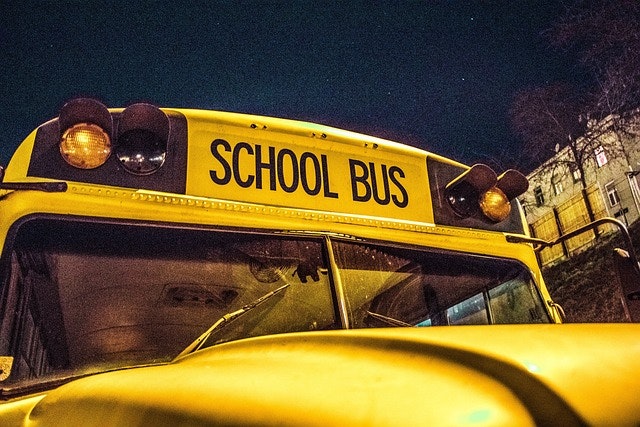
School buses are vital for transporting students, but they also require drivers to pay close attention. The area within 10 feet of the front and back of a bus is particularly dangerous because children may step out unexpectedly. Keeping a safe distance gives you more time to react when buses make frequent stops.
Always reduce your speed when you see a bus slowing down or flashing its lights. Children may cross the street without warning, and blind spots can make them difficult to see. Preparing to stop and staying patient helps prevent incidents during these busy school hours.
Sharing the Road With Pedestrians and Young Cyclists
As more students walk or bike to school, drivers should take extra steps to scan their surroundings. Always yield to pedestrians in crosswalks, and avoid passing cars that have stopped to let someone cross. These simple habits can protect individuals who may not be visible from every angle.
Young cyclists can be less predictable on the road. They may swerve, ride out from driveways, or move between parked cars unexpectedly. If you’re driving through areas where children commonly bike, reduce your speed and stay aware of their movements.
Even everyday actions like opening a parked car’s door can create risks. Check mirrors for approaching cyclists before exiting your vehicle. These small precautions help create a safer environment for everyone sharing the road.
Safe Practices for Drop-Off and Pick-Up Zones
School drop-off and pick-up lanes often become crowded and confusing, especially early in the school year. Following your school’s established system helps reduce unnecessary traffic jams and keeps children safe.
Consistency makes a big difference. When drivers stay in designated lanes, follow staff instructions, and avoid parking in restricted areas, traffic flows more smoothly. Cutting corners or stopping unexpectedly can lead to dangerous situations during already busy times.
Parents and caregivers play a major role in keeping these areas safe. Taking a moment to follow proper procedures helps protect not just your child, but everyone in the school community.
Teaching Kids Smart Safety Habits
While drivers must remain cautious, children also need guidance on how to stay safe near traffic. Young kids—especially those under 10—benefit from supervision and practice when learning to cross streets or walk near busy areas.
Encourage children to stop, look both ways, and listen before crossing any street. Remind them to use crosswalks and avoid distractions like mobile devices when near traffic.
Safety gear is equally important. Helmets, reflective clothing, and protective pads help reduce the risk of injury when biking or riding scooters. By building strong habits early, children become more confident and responsible as they grow older.
Working Together to Keep Roads Safe
Creating safer streets during back-to-school season requires everyone’s participation. Parents, students, neighbors, and drivers all contribute to preventing accidents and promoting awareness. Even simple actions—like driving a little slower in school zones or checking twice for pedestrians—can make a meaningful difference.
By focusing on consistency and awareness, we can help reduce risks as routines shift and traffic patterns change. These small efforts show a shared commitment to protecting our community’s children.
Preparing for a Safe School Year Ahead
With thoughtful planning and attentive driving habits, the back-to-school transition can be manageable and safe for everyone. Families and drivers who understand the season’s unique challenges are better equipped to prevent accidents and respond to unexpected changes.
If you have questions about road safety, liability concerns, or ways to safeguard your family, expert support can provide valuable guidance. Gable Insurance Group is here to help you stay informed and protected throughout the school year with personalized insights and coverage options tailored to your needs.